Horticulture + conservation + commerce
Fuzzy Petioles
Growing and hybridizing tropical plants, sharing what I learn, and running the commerce and fulfillment around several thousand plants that continue doing whatever they want.
Visit Fuzzy Petioles ↗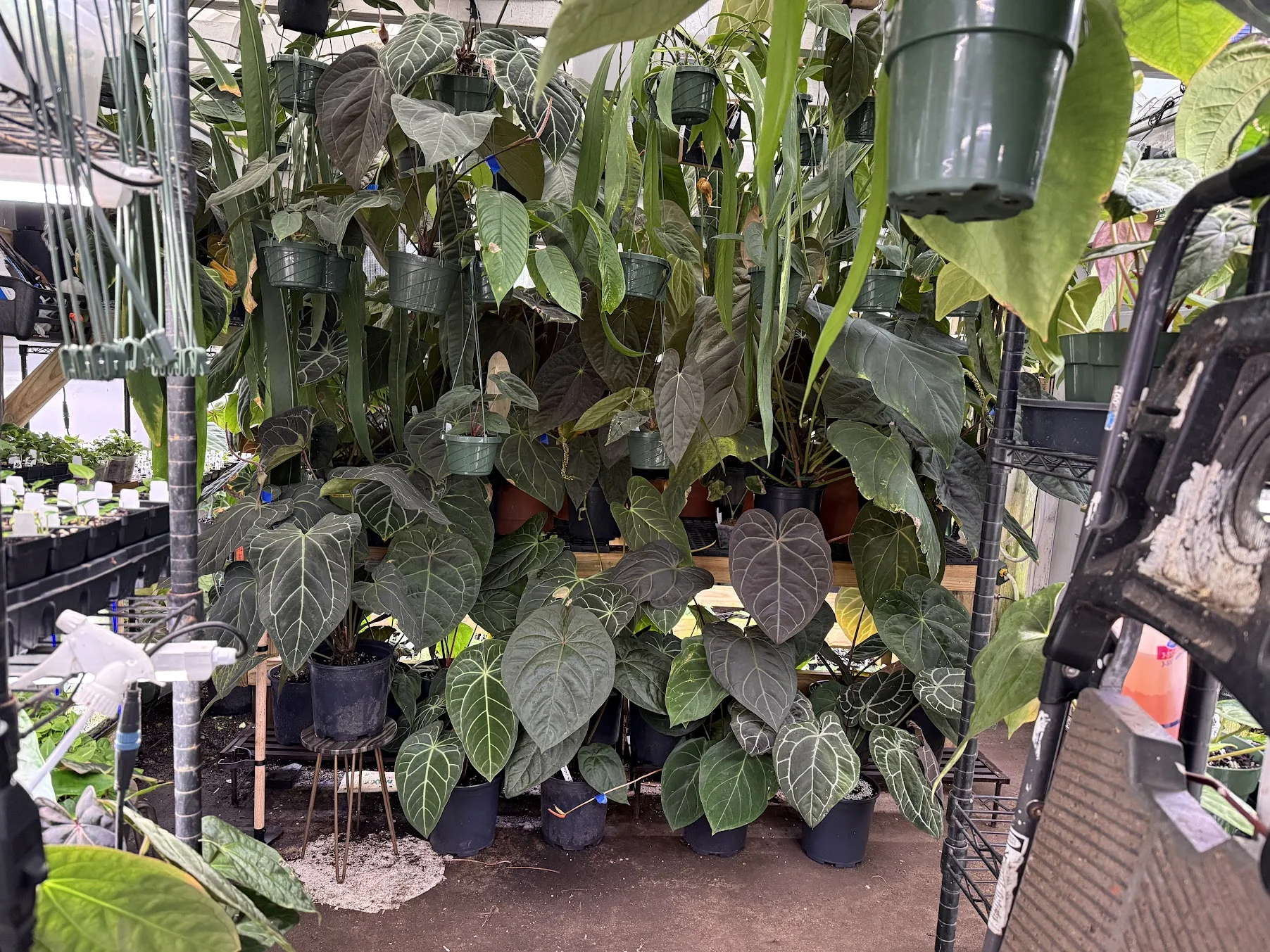
The plants I grow are from somewhere.
Each one evolved in a specific place, shaped by a particular climate, geology, and ecosystem. That context is worth understanding.
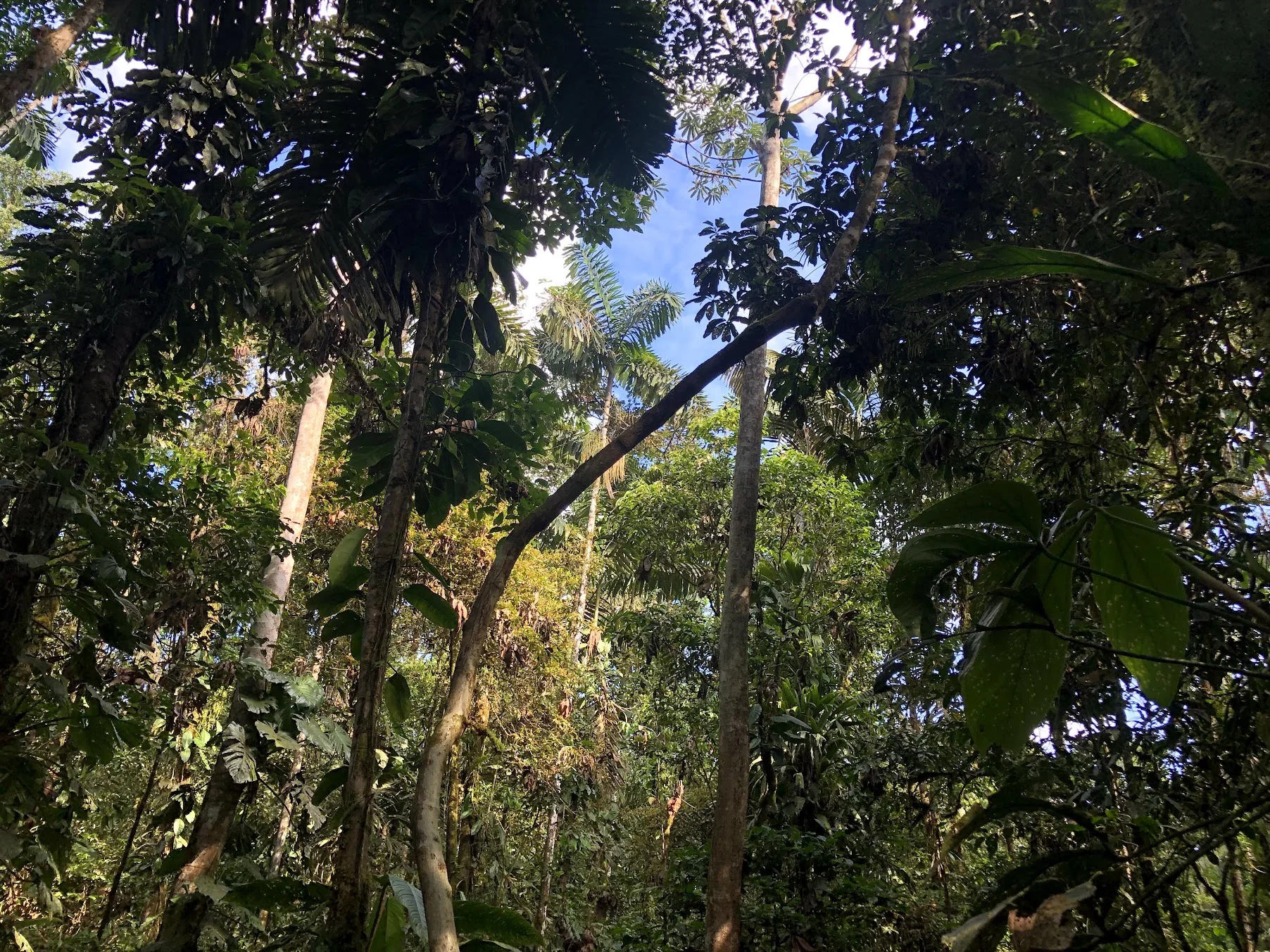
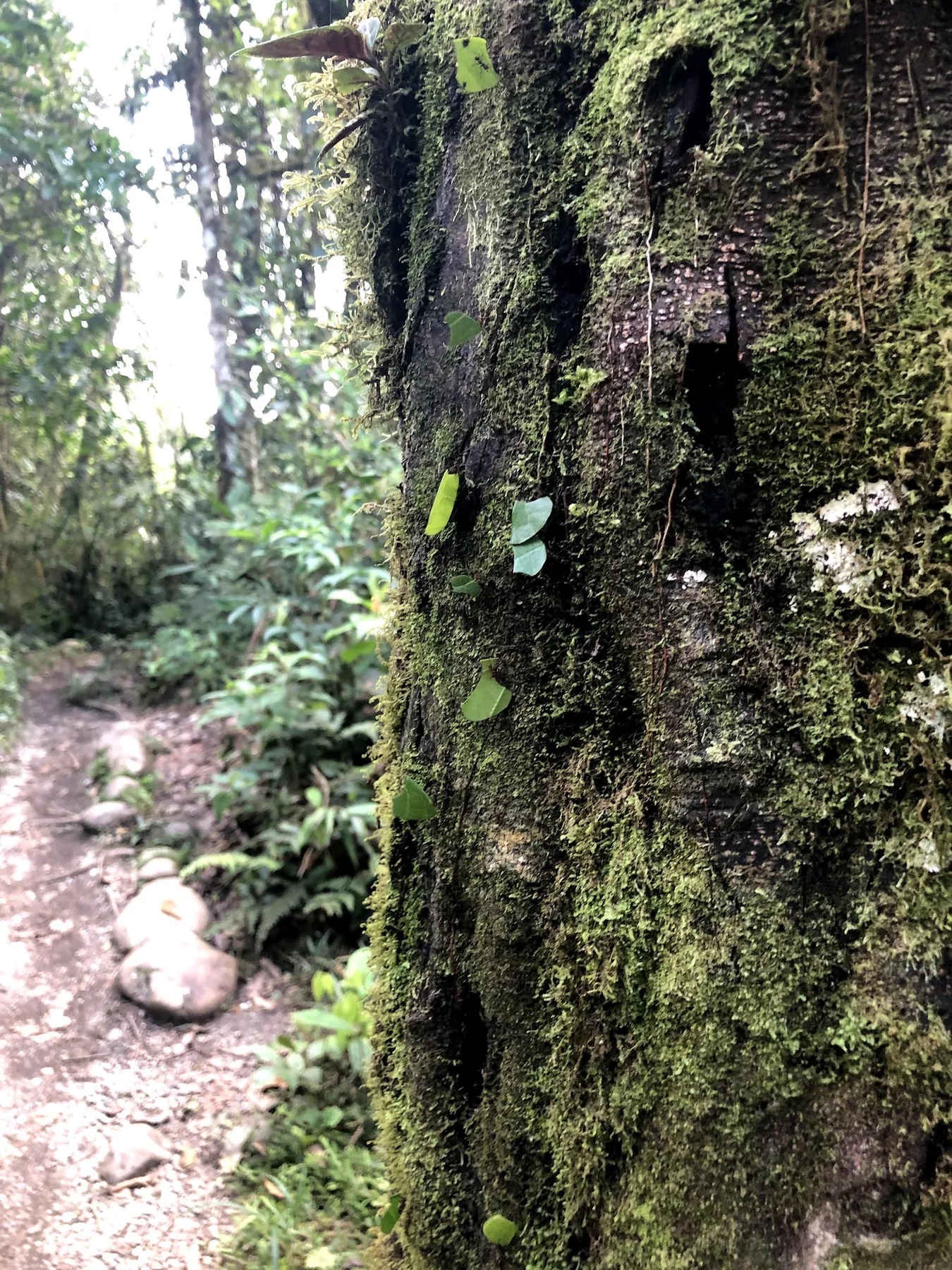
I grew up in Florida and took the climate for granted: hot, humid, stormy, and full of plants adapted to those conditions. It was not until I left, and later traveled into the western edge of the Amazon in Ecuador, that I understood what I had been walking past. The plants I loved did not begin on greenhouse benches or windowsills. They came from cloud forests, mountain slopes, river valleys, and ecosystems that took millions of years to form.
I returned from Ecuador in 2019 with a renewed sense that those places, and the plants shaped by them, deserved more attention. Later that year my brother died, and soon after COVID made the fragility of time impossible to ignore. Fuzzy Petioles began at home, initially as a way to offset what I was spending while teaching myself to grow. It became something more: a way to share the joy of these plants, the knowledge required to care for them, and the connection they offer to places most people may never see for themselves.
What it became
The first few years were spent learning in public. I grew whatever interested me, shared successful plants through local groups and Market Days in downtown Columbus, and gradually learned what I wanted the business to be.
Today, Fuzzy Petioles sits at the intersection of horticulture, education, conservation, and commerce. I grow and hybridize Anthurium, share what I learn, and keep most plants priced within reach. Stewardship is not a price-point thing. It is a relationship.
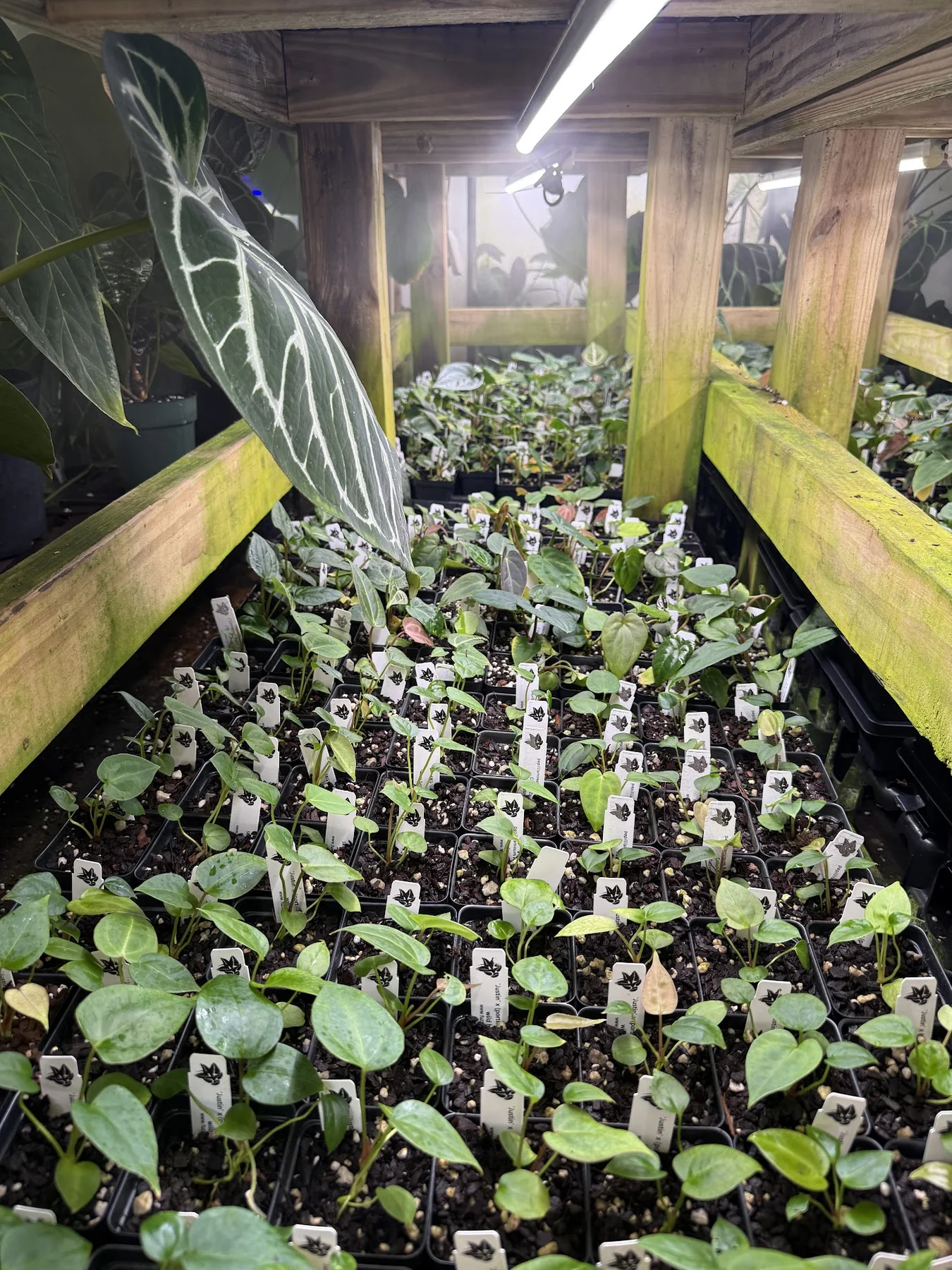
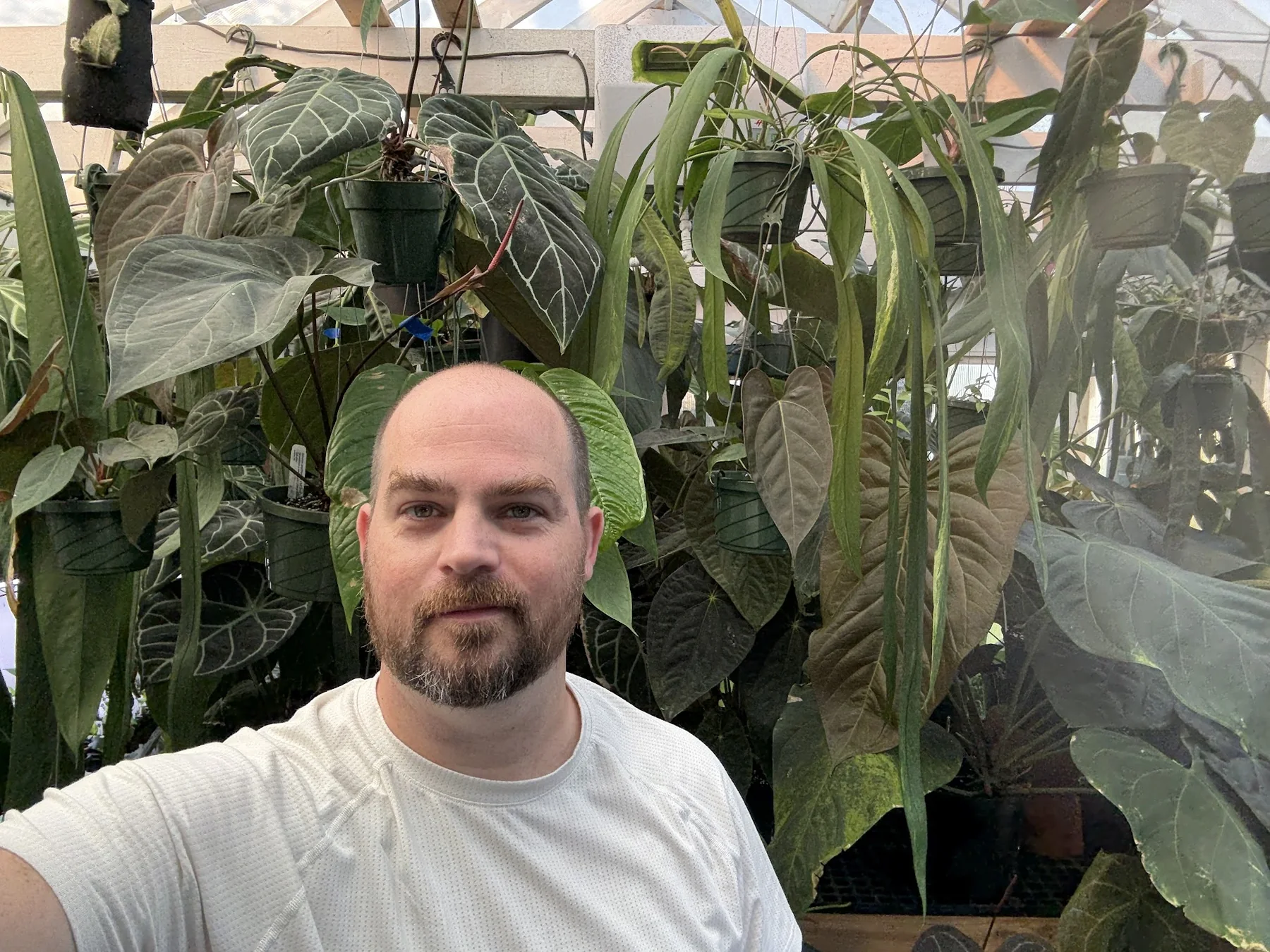
In March 2024, a fire destroyed the attic grow space, mother plants, seed batches, and much of the infrastructure I had built. We rebuilt in a different form. At my wife's suggestion, we converted our carport into a dedicated 14-by-24-foot greenhouse with proper electrical service, climate control, and room to work. The business has grown considerably since, both in the number of plants and in the clarity of its purpose.
My work with the International Aroid Society is part of that same purpose. Research, education, conservation, and growing should not be treated as separate concerns. The context of where these plants come from should inform how they are grown, shared, and understood.
From a handwritten tag to a plant in the mail
Every plant I sell is one of one, so every plant is its own listing: its own photos, title, parentage, and price, with a stock count of one. Writing those by hand took six to eight hours a week. In 2026 I built software to do the mechanical part, by directing AI coding agents and checking their work.
I photograph each plant with its handwritten tag. Two AI models from two different companies copy the tag's text, and neither is shown the plant. Code checks that the two copies agree and that every parent is on my list of mother plants, then assembles the description from what I wrote about those mothers. I confirm the price and approve every listing. Nothing goes on sale without that.
The rules sit at the top of the project, and every agent reads them before it changes anything: identity comes from the tag, never from how the plant looks; no model is trusted on its own output; price is human, always. Since August, those rules and the lessons from every mistake live in one place that the agents on all of my projects read before they start work.
Listing work is now about 30 minutes a week, by my own estimate. Between July and September, 167 plants went on sale this way. The same system writes a page for each of my 103 mother plants and links her to her seedlings, and it builds the ship-day packing lists I used to compile by hand.
Closer to home
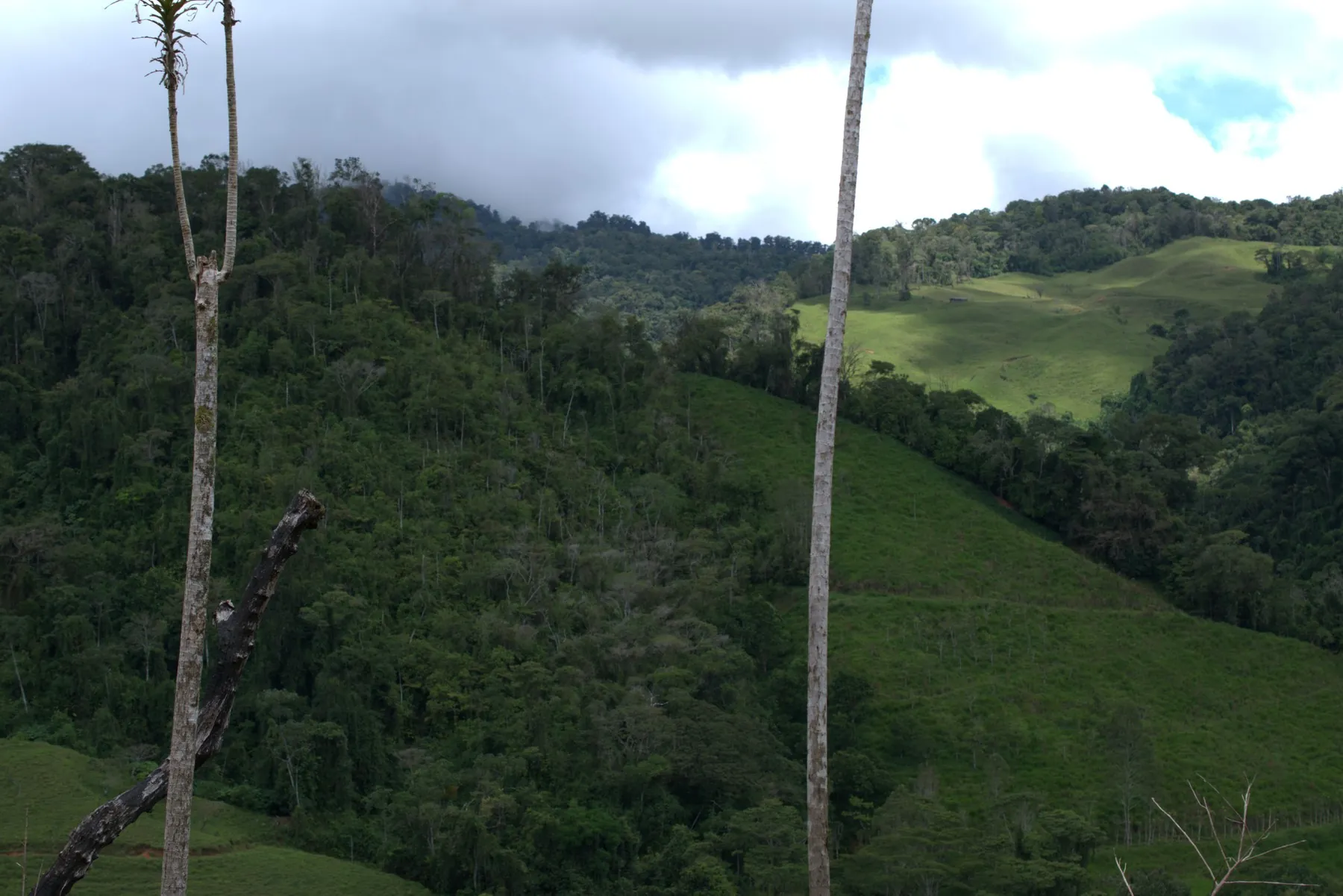
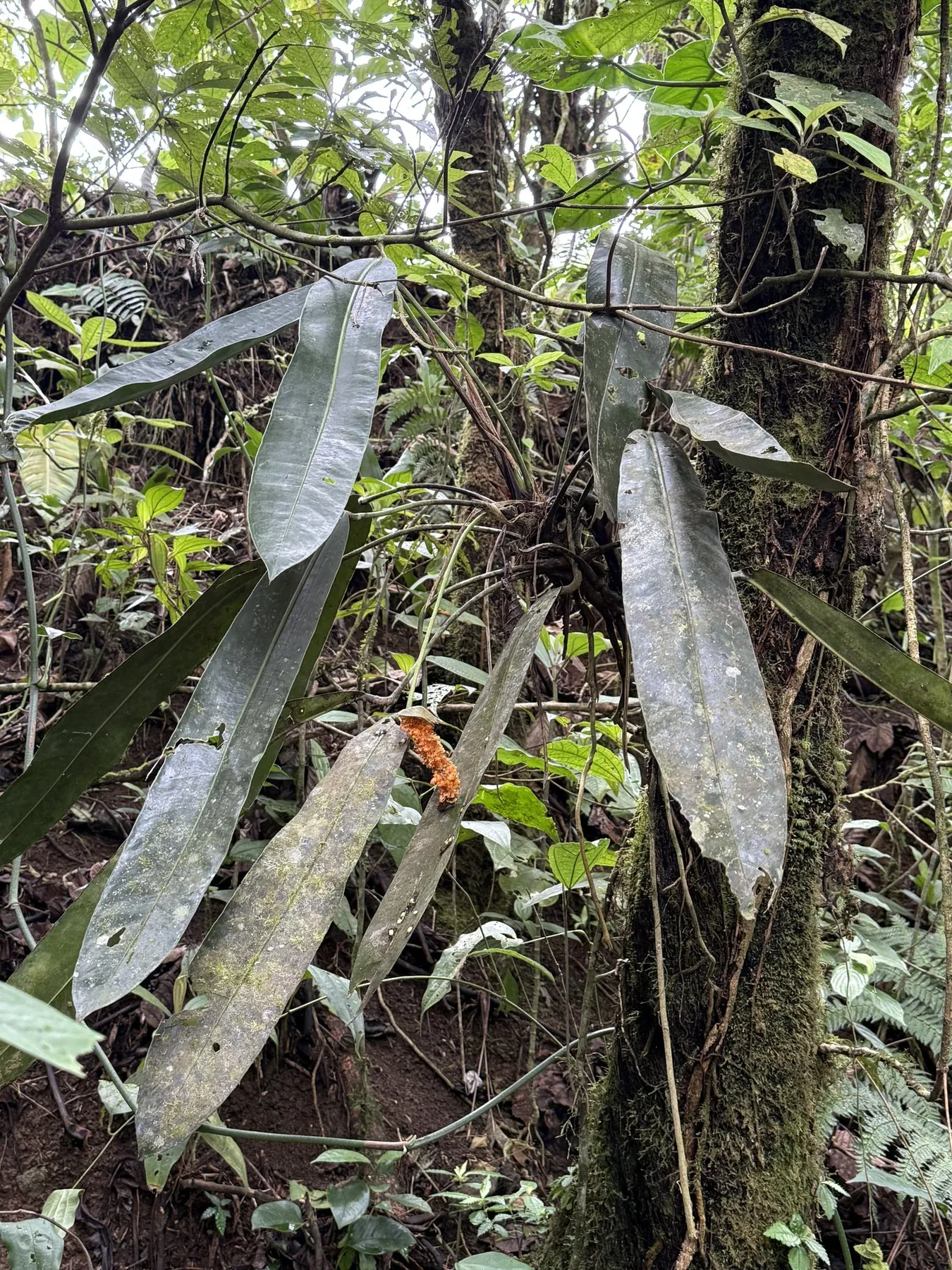
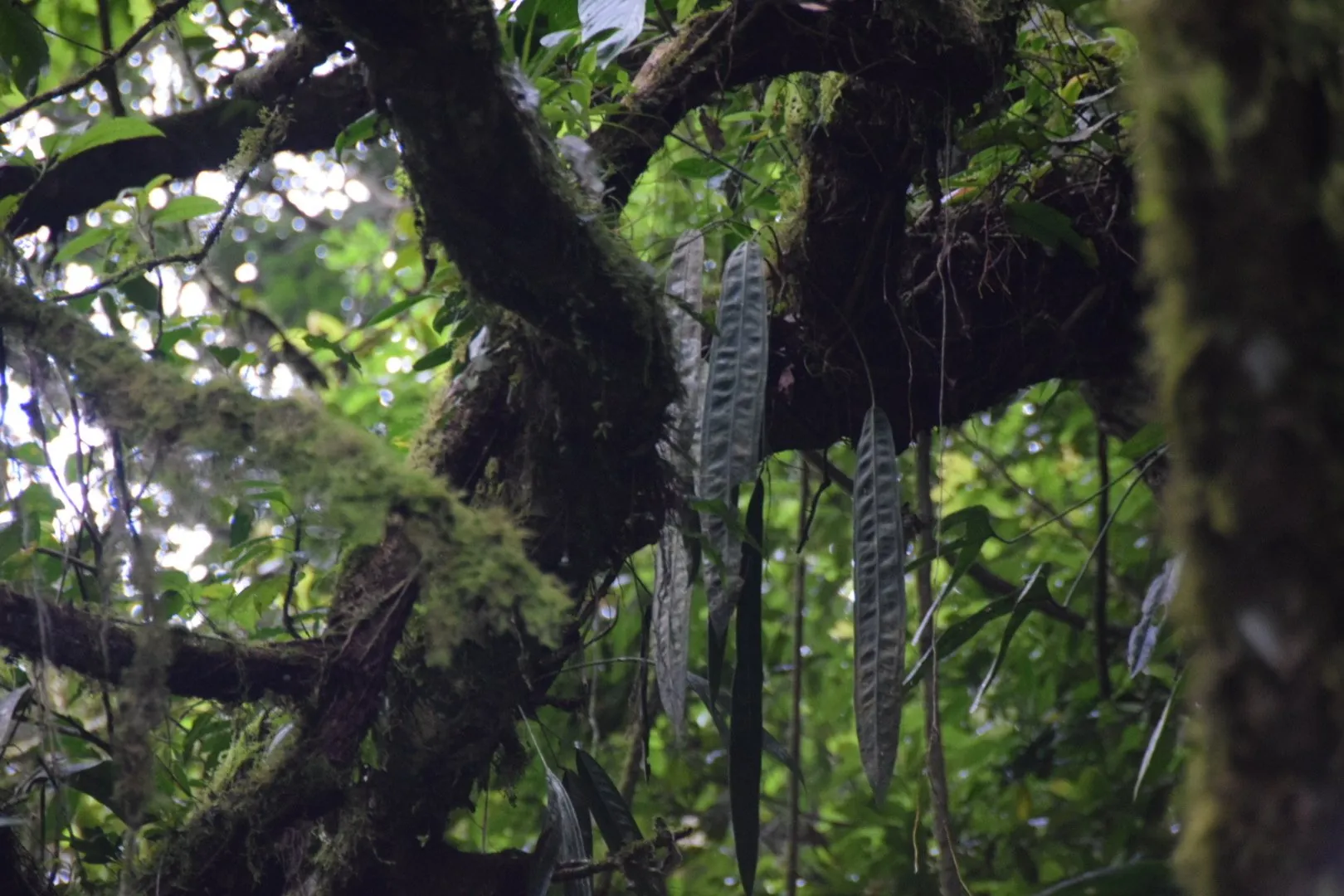
In late July 2026 I spent a week in Costa Rica with my friend Jason, a field botanist who has lived there long enough to know the roads, the language, and the people whose land the plants grow on. We crossed the continental divide at more than 3,300 meters and walked rivers and cattle pastures to reach known populations of Anthurium in what forest remains.
It was my first fieldwork, and it was harder than I expected. On one climb I managed a kilometer in 48 minutes, then spent twenty minutes on a termite-chewed log recovering. I also learned what a greenhouse cannot teach: on the last day, about 100 meters of elevation changed which species were growing on the trees.
The first lesson I took home is that fieldwork runs on relationships. I did not walk into these places, I was let in. I wrote the week up as a long essay, with my own photographs.
What the trip started
The trip also started a piece of software. Our stops had been planned from data cobbled together across scattered sources. In the field I logged each plant with a phone for coordinates, voice notes, and a camera for context, until a storm soaked the phone and it would not stay on.
Aroid Access is my answer to both problems. It is a research tool for invited botanists that puts herbarium and observation records on a map with the terrain, states how precisely each coordinate is known, records field observations with their time and place, and works without a signal.
It is built from a public download of 229,721 occurrence records across 11 countries. Today it shows Anthurium in Costa Rica and Panama: 344 species from 17,786 collecting events. Sign-in is by invitation, and a field record stays private unless the person who made it shares it, because precise localities for wild plants are worth protecting.
No AI model runs inside it. AI agents built the plumbing; the botany comes from published records and from the botanists who use it.
Anthurium 'Amy'
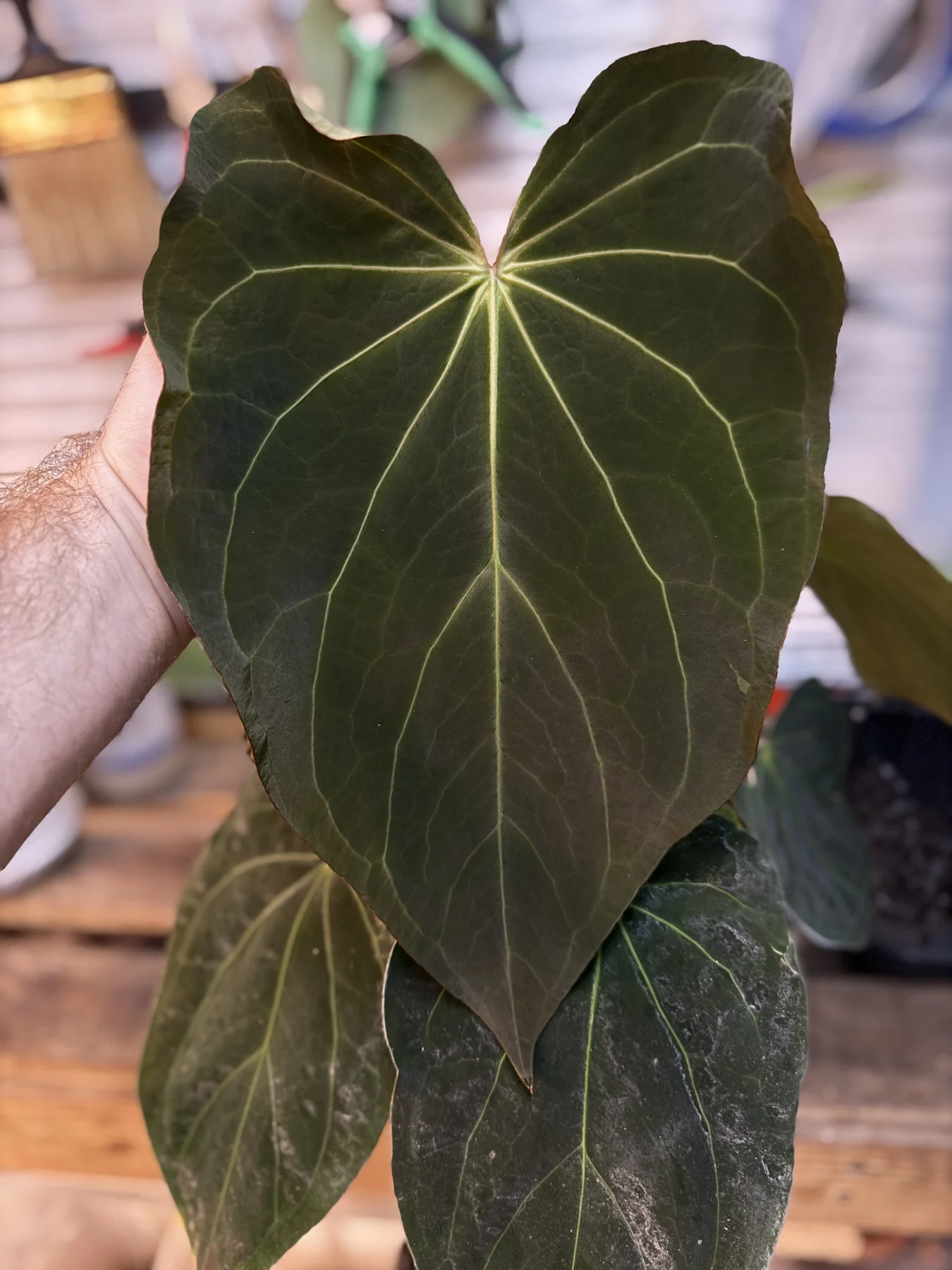
Named for my mom. 'Amy' was selected for its strong primary venation against a dark green lamina and its distinctly undulate margins. I recognized those traits early, continued growing the plant to confirm them, and submitted it to the International Aroid Society Cultivar Committee for review and registration.
This is one of the parts of the work I am proudest of: raising seedlings, noticing what is different, and carrying a promising plant forward long enough to understand what it may become.